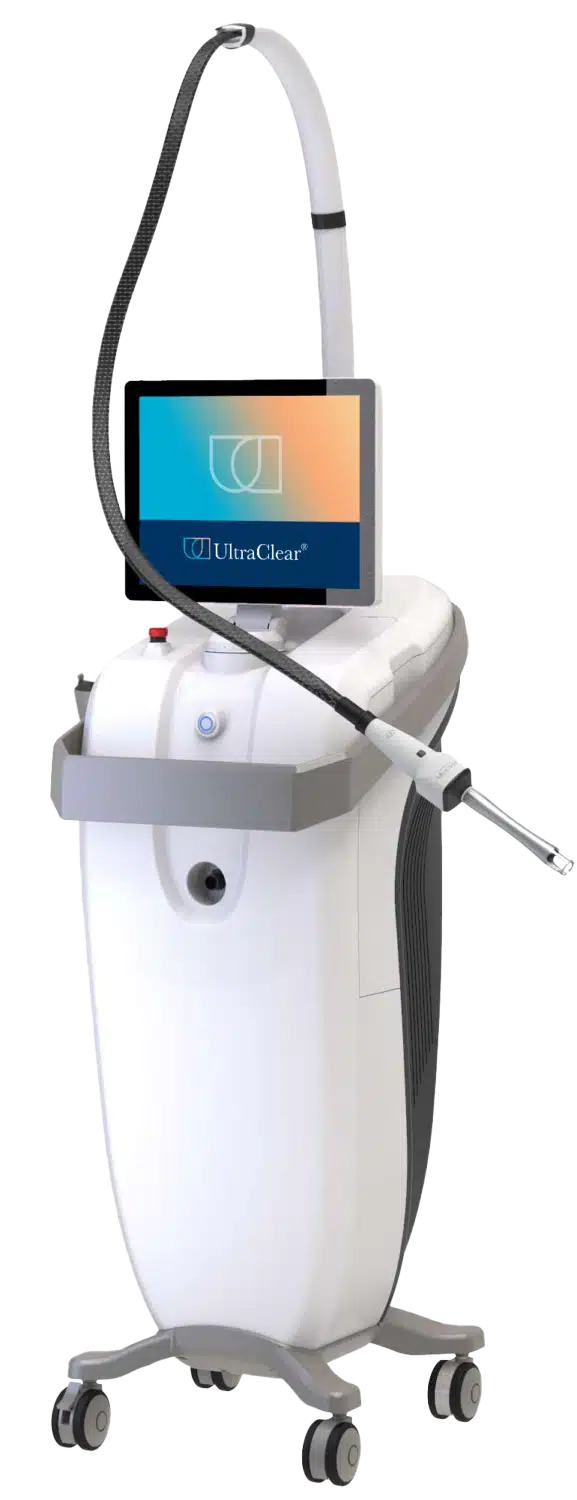


Scarring affects millions of people worldwide, leaving lasting marks that extend far beyond the surface of the skin. Whether from acne breakouts in adolescence, surgical procedures like C-sections, or traumatic burns, scars can profoundly impact self-esteem and quality of life. The revolutionary Ultraclear laser technology is changing this narrative, offering hope and real results for those seeking to reclaim their confidence.
Understanding the Impact of Scarring
Scars tell stories, but not all stories are ones we want written on our skin. Acne scars affect up to 95% of people who experience moderate to severe acne, creating textural irregularities that can persist for decades. Surgical scars from C-sections remind mothers of their strength but may also trigger self-consciousness. Burn scars can serve as painful reminders of traumatic experiences, affecting both physical appearance and emotional well-being.
The psychological impact of scarring cannot be understated. Studies show that individuals with visible scars often experience decreased self-confidence, social anxiety, and even depression. Many patients report avoiding certain activities, clothing choices, or social situations due to their scars. This is where advanced laser technology like Ultraclear becomes truly transformative.
How Ultraclear Laser Technology Works
Ultraclear laser represents a breakthrough in laser technology. It’s a “cold ablative fractional laser” with a 2910nm wavelength to treat various skin concerns, including scarring, by precisely vaporising damaged skin to stimulate new collagen, leading to a smoother, healthier complexion. Unlike traditional CO2 lasers, UltraClear’s “cold technology” minimises heat and thermal injury, resulting in reduced discomfort, downtime, and a lower risk of complications like hyperpigmentation. The laser can be used in a “laser coring” mode for deeper scars, removing scar tissue to encourage remodeling.
Versatile Treatment for Various Scar Types
Acne Scars
For those battling the aftermath of acne, Ultraclear offers renewed hope. The laser effectively addresses different types of acne scarring, including ice pick scars, rolling scars, and boxcar scars. Multiple treatment sessions typically result in smoother skin texture and reduced scar visibility, helping patients move forward from their acne journey with confidence.
Surgical Scars
C-section scars and other surgical marks respond remarkably well to Ultraclear treatment. The laser helps flatten raised scars, reduce discolouration, and improve overall texture. Many new mothers find that treating their C-section scars helps them feel more comfortable in their post-pregnancy bodies, supporting their emotional recovery alongside physical healing.
Burn Scars
Perhaps most dramatically, Ultraclear technology offers significant benefits for burn scar treatment. The laser can help restore flexibility to contracted scar tissue, reduce the thickness of hypertrophic scars, and improve the overall appearance of burn-damaged skin. For burn survivors, these improvements often translate to increased mobility and reduced self-consciousness.
The Confidence Connection
The true power of Ultraclear laser treatment extends beyond skin deep. Patients consistently report dramatic improvements in self-esteem following treatment.
This restoration of confidence ripples through all aspects of life. Patients report feeling more comfortable in professional settings, more willing to engage in social activities, and more positive about their overall appearance. The psychological benefits often prove as valuable as the physical improvements.
A Treatment Worth Considering
Ultraclear laser technology represents more than just a cosmetic procedure – it’s an investment in emotional well-being and quality of life. With minimal downtime and proven results across various scar types, it offers hope to those who have long struggled with the visible reminders of their past.
For anyone living with scars that impact their confidence, Ultraclear laser treatment provides a path forward. Because everyone deserves to feel comfortable in their own skin, and sometimes, advanced technology can help make that possible.